General Categories of Dietary Supplement Types

The following overview presents broad categories of dietary supplement types commonly discussed in nutritional science literature. Each category is described in educational terms only — without specific product names, brands, pricing, or personal recommendations.

Important Context

All information on this page is for educational purposes only. Categories described do not represent specific products or any form of endorsement. No health claims are intended or implied. Consult a qualified professional for individual guidance.

Assorted vibrant coloured whole vegetables and fruits arranged on a dark slate surface including orange sweet potatoes, red peppers, and dark leafy greens with dramatic chiaroscuro lighting
Multi-Nutrient

Vitamin Complexes

Formulations combining multiple essential vitamins — typically encompassing fat-soluble (A, D, E, K) and water-soluble (C, B-group) variants — intended as a broad-spectrum nutritional complement to dietary intake.

Nutrient Spectrum
Broad (Multi-Vitamin)
Solubility Range
Fat & Water-Soluble
Typical Form
Capsule / Tablet
  • Contributes to general nutrient coverage across dietary patterns
  • Supports the body’s need for diverse micronutrient inputs
  • Relevant for varied lifestyles with differing dietary compositions

Learn More
Close-up of grey and white mineral stones and rock crystals with rough natural textures on a dark background, illuminated by dramatic side lighting to reveal crystalline structures
Mineral

Mineral Blends

Combinations of key minerals — including zinc, magnesium, selenium, and calcium — presented in bioavailable forms. Mineral blends are studied in the context of supporting various enzymatic and structural functions within the body.

Primary Minerals
Zinc, Mg, Se, Ca
Functional Role
Enzymatic / Structural
Typical Form
Capsule / Powder
  • Supports general metabolic balance through trace mineral replenishment
  • Contributes to electrolyte and enzymatic equilibrium
  • Relevant in contexts where dietary mineral diversity may be limited
Learn More
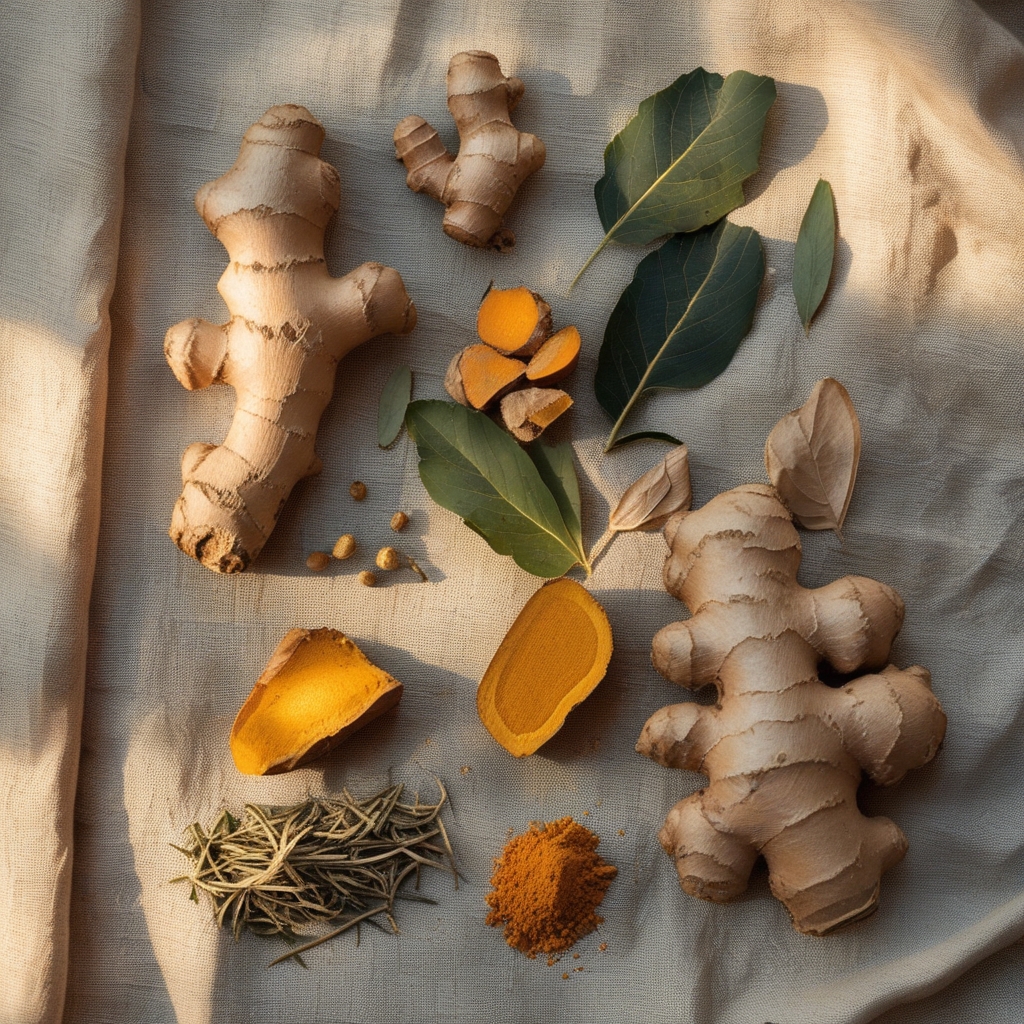
Dried botanical herbs and plant roots including ginger root, turmeric pieces, and various dried leaves arranged on aged linen with warm diffused natural light creating a herbalist aesthetic
Botanical

Herbal Extracts

Concentrated preparations derived from plant sources used historically in traditional wellness practices across Asian, European, and Indigenous botanical traditions. Modern nutritional science continues to characterise the constituent compounds of these extracts.

Tradition
Multi-Cultural
Active Compounds
Plant Secondary Metabolites
Form
Extract / Tincture
  • Draws on centuries of traditional botanical knowledge across cultures
  • Subject of contemporary phytochemical and nutritional research
  • Contributes to diversity of botanical inputs in a nutritional context
Learn More
Fresh whole fish including salmon and sardines on crushed ice with scattered flaxseeds and walnuts on a dark stone surface, cinematic lighting highlighting the natural textures and rich colours
Essential Fatty Acids

Omega Fatty Acid Concentrates

Preparations concentrated in long-chain polyunsaturated fatty acids — primarily EPA and DHA from marine sources, or ALA from plant sources such as flaxseed. Omega fatty acids are extensively reviewed in mainstream nutritional literature.

Key Types
EPA, DHA, ALA
Primary Sources
Marine / Plant
Form
Softgel / Oil
  • Among the most extensively studied nutrient categories in general physiology
  • Contributes to the balance of dietary fat composition
  • Relevant to cardiovascular and neurological nutritional science contexts
Learn More
Roots and rhizomes of adaptogenic plants including ashwagandha root and ginseng root displayed on a dark ceramic plate with rough textures, lit with warm side light that highlights earthy tones
Adaptogenic

Adaptogenic Botanicals

A functional category of botanical ingredients — including Panax ginseng, Ashwagandha, and Rhodiola rosea — characterised by their long history of use in traditional wellness systems and studied in contemporary nutritional science for their complex constituent profiles.

Origin
Traditional Botanical
Key Compounds
Ginsenosides, Withanolides
Form
Standardised Extract
  • Rooted in millennia of traditional wellness and botanical knowledge
  • Among the most studied natural ingredient categories globally
  • Relevant to general resilience-focused nutritional frameworks
Learn More
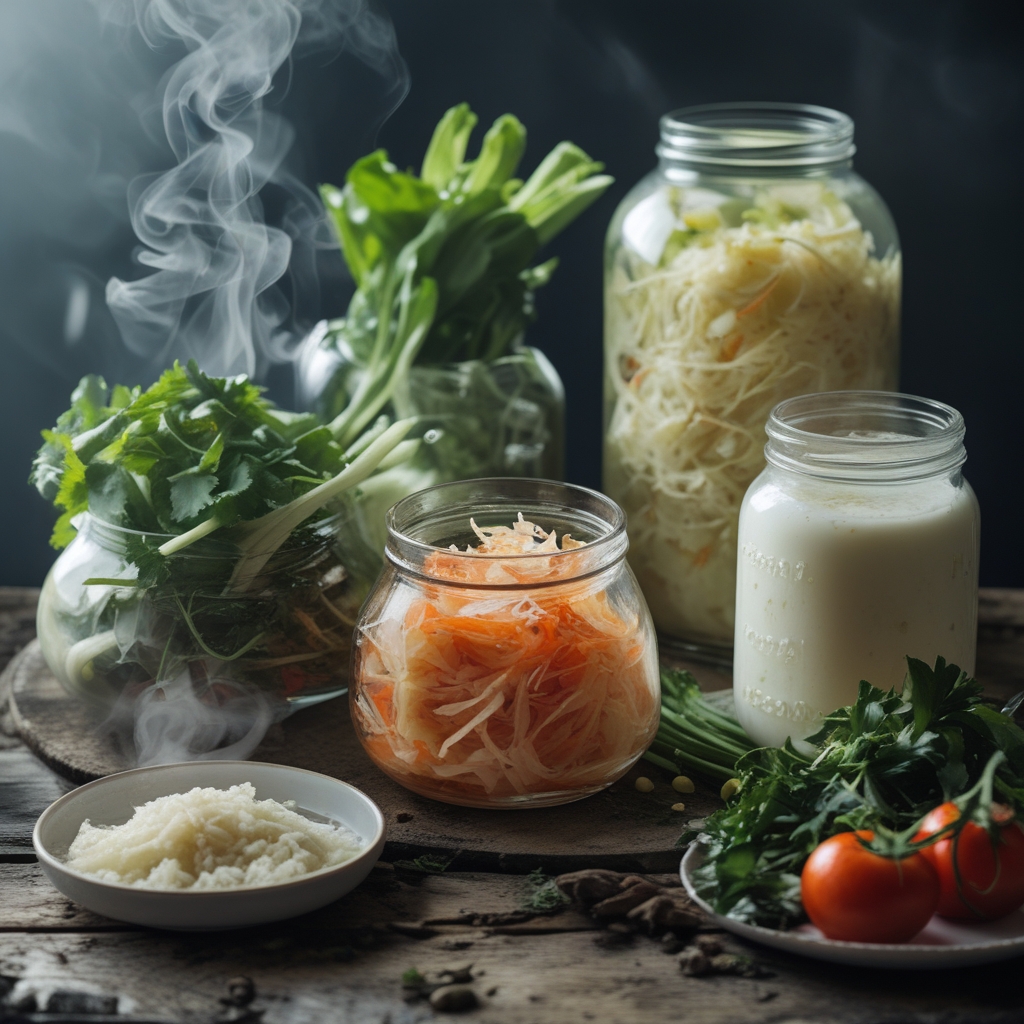
Fermented foods in glass jars including sauerkraut and kefir with fresh vegetables on a rustic wooden table, soft morning light illuminating the natural colours and textures of the fermented ingredients
Gut Microbiome

Probiotic and Prebiotic Formulations

Preparations containing live microorganisms (probiotics) or dietary fibres that support the growth of beneficial gut bacteria (prebiotics). The gut microbiome is a rapidly expanding area of nutritional research, with broad physiological relevance.

Probiotic Basis
Live Bacteria Strains
Prebiotic Basis
Dietary Fibre / FOS
Form
Capsule / Powder
  • Supports the diversity and balance of gut microbiota
  • Relevant to general digestive function and nutrient absorption context
  • One of the most dynamically developing areas in nutritional science
Learn More

Important Educational Context

The categories presented on this page are broad educational descriptions only. They do not represent specific products, brands, or dosage recommendations. All individual nutritional decisions should be made in consultation with a qualified professional.

  • No pricing, product comparison, or purchasing information is provided
  • Benefits listed are general educational descriptions, not health claims
  • Individual responses to dietary supplements vary significantly
  • Dietary supplements are regulated as food products in the EU, not as pharmaceutical products

Explore the Full Educational Resource

Return to the main knowledge portal for contextual explanations of individual nutrients, historical background, and scientific frameworks.

Return to Home